Vibrant Paint Drips for Creative Sublimation
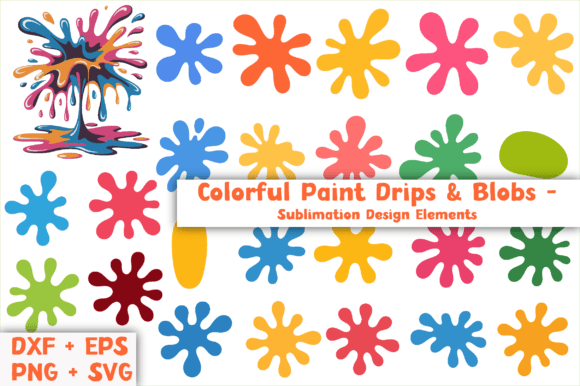
In the fast-paced world of digital crafting and print-on-demand, standing out requires more than just a good idea; it demands a striking visual hook. This is where Colorful Paint Drips Sublimation design elements come into play, offering designers an immediate burst of energy and artistic flair. By integrating dynamic splashes, slime drips, and graffiti-style spots into your workflow, you can transform static layouts into vibrant experiences that capture attention instantly. These assets are not merely decorative; they serve as powerful tools for establishing visual hierarchy and injecting personality into brand identity.
The Power of Dynamic Visual Elements
Modern graphic design relies heavily on the ability to convey emotion and movement through still images. Static designs often struggle to compete in crowded digital feeds or busy retail environments. Incorporating high-resolution paint blobs and ink blots introduces a sense of organic chaos that feels both raw and polished. When executed correctly, these elements guide the viewer’s eye across the composition, creating a natural flow that enhances readability and engagement.
For professionals focusing on branding and marketing materials, this style offers a unique opportunity to break away from rigid corporate structures without losing professionalism. The key lies in balance. A single, well-placed drip can act as a focal point, drawing attention to a logo or call-to-action button. Conversely, overusing these elements can clutter the design, undermining the clean aesthetics required for many UI/UX projects. Understanding when to apply these textures is crucial for maintaining a premium presentation.
Practical Applications Across Industries
The versatility of sublimation-ready graphics extends far beyond simple crafts. Designers leverage these assets to enhance a wide array of creative projects, ensuring that every touchpoint of a brand feels cohesive yet exciting.
- Merchandise and Apparel: Custom t-shirts, hoodies, and tote bags benefit immensely from bold color palettes. The translucent nature of PNG files allows these drips to blend seamlessly with underlying patterns or solid colors, creating depth on fabric.
- Digital Marketing: Social media banners and email headers require quick visual impact. Animated or static paint splashes can increase click-through rates by adding a layer of intrigue to standard promotional content.
- Packaging Design: For consumer goods, especially those targeting younger demographics or creative markets, packaging needs to pop off the shelf. Ink blots and colorful drips add a tactile feel to digital mockups, suggesting a product that is fun and innovative.
- Editorial and Print: Magazine layouts and flyers can use these elements to separate sections or highlight quotes, breaking up large blocks of text and improving overall user experience.
Technical Considerations for High-Quality Output
When sourcing design inspiration or assets, technical specifications are just as important as aesthetic appeal. For sublimation printing, resolution is paramount. Assets provided at 300 DPI ensure that edges remain sharp and colors stay vibrant, even when scaled up for large-format prints like tumblers or pillows. Lower resolutions can lead to pixelation, which detracts from the professional quality of the final product.
Furthermore, file format compatibility streamlines the design workflow. Having access to vector formats like SVG and EPS allows designers to scale elements infinitely without losing quality, which is essential for logo design and scalable web graphics. Meanwhile, transparent PNGs offer immediate ease of use for compositing in raster-based software, allowing for quick adjustments to opacity and blending modes to achieve the desired visual effect.
Selecting the Right Creative Assets
Evaluating design resources requires a critical eye. Not all "paint drip" collections are created equal. Look for bundles that offer variety in shape and density, ensuring you have options for both subtle accents and bold statements. Consistency is also vital; if you are building a brand identity, the color palette of these drips should complement your existing typography and core brand colors rather than clash with them.
Additionally, consider the context of your audience. A back-to-school planner layout might benefit from bright, primary-colored blobs that evoke nostalgia and fun, whereas a tech startup’s social media banner might require more subdued, neon-like gradients to suggest innovation. By aligning the visual style with your design goals, you create a more resonant communication strategy.
Ultimately, the integration of vibrant, high-quality creative assets is about enhancing storytelling. Whether you are designing a phone case or a full-scale advertising campaign, the thoughtful application of dynamic elements like paint drips can elevate a project from ordinary to exceptional. By prioritizing clarity, scalability, and aesthetic harmony, designers can harness the power of these visuals to create work that not only looks beautiful but also communicates effectively.