Powered by Curiosity Learning Design: Bridging the Gap Between Exploration and Education
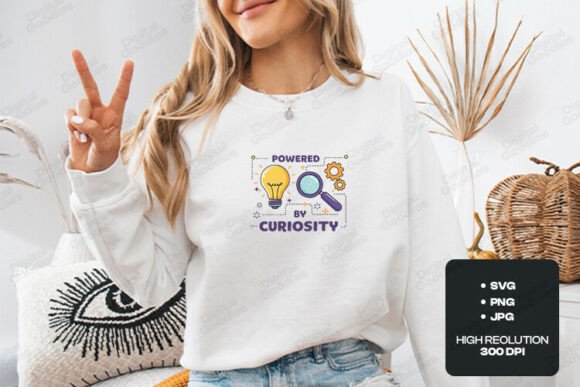
In an era where information is abundant but attention is scarce, the methodology of Powered by Curiosity Learning Design has emerged as a critical framework for effective engagement. This approach moves beyond traditional rote memorization, focusing instead on the intrinsic human drive to explore, question, and solve problems. At its visual and conceptual core lies a distinct aesthetic often represented by imagery featuring a bright light bulb, magnifying glass, and gears connected by playful lines. These symbols are not merely decorative; they represent the mechanical and cognitive processes of problem-solving, exploration, and a genuine love for learning.
Whether you are an educator designing a classroom environment, a creator looking for meaningful merchandise, or a business owner aiming to foster innovation within your team, understanding the mechanics of curiosity-driven design is essential. This article explores the practical applications, benefits, and implementation strategies of this dynamic learning philosophy, providing a comprehensive guide for integrating these principles into various professional and personal contexts.
The Anatomy of a Curiosity-Driven Aesthetic
To understand the impact of Powered by Curiosity Learning Design, one must first appreciate the visual language that supports it. The typical iconography associated with this theme—such as high-resolution PNGs, scalable SVGs, and crisp JPG files—serves as more than just background art. It acts as a psychological cue. When learners or employees encounter visuals of interconnected gears and magnifying glasses, their brains are primed for analytical thinking and investigation.
The "bright light bulb" symbolizes the moment of insight, while the "gears" represent the systematic process required to reach that insight. The "playful lines" connecting these elements suggest that learning is not a linear, rigid path but a fluid, interconnected journey. By utilizing assets like transparent background graphics or fully scalable vector files, designers can embed these concepts seamlessly into physical and digital spaces without visual clutter. This clarity allows the message of exploration to take center stage, reinforcing the idea that discovery is both structured and joyful.
Practical Applications Across Industries
The versatility of curiosity-based design extends far beyond the walls of a traditional schoolhouse. Its application is broad, impacting everything from consumer goods to corporate training modules. Below are several key areas where this design philosophy adds tangible value.
Educational Environments and Classroom Decor
For educators, the physical environment plays a significant role in student engagement. Using Powered by Curiosity Learning Design elements in classroom decor helps create an atmosphere that encourages inquiry. Posters featuring magnifying glasses can be placed near science stations, while gear-themed decals might adorn math workspaces. This subtle reinforcement reminds students that every lesson is an opportunity to investigate. Furthermore, these designs make excellent teacher-student gifts, serving as tokens of appreciation that also celebrate the shared journey of education.
Merchandise and Personal Expression
Consumers and hobbyists often seek products that reflect their values and interests. T-shirts, tote bags, and stickers featuring these motifs allow individuals to publicly identify with the mindset of lifelong learning. For back-to-school seasons, these designs resonate deeply with parents and students alike, offering a fresh alternative to generic academic slogans. The ability to use high-resolution 300 DPI files ensures that the final product looks professional and durable, whether printed on fabric, paper, or plastic.
Corporate Training and Professional Development
In the business world, fostering a culture of innovation requires more than just policy changes; it requires cultural signaling. Companies can utilize Powered by Curiosity Learning Design in internal communications, workshop materials, and office branding. By incorporating visuals that emphasize problem-solving and exploration, organizations signal that questioning the status quo is valued. Planners and notebooks featuring these designs can help professionals structure their thought processes, turning daily tasks into opportunities for strategic discovery.
Technical Specifications and Asset Utility
A crucial component of implementing any design strategy is having access to high-quality, versatile assets. The specifications commonly associated with Powered by Curiosity Learning Design graphics are tailored to meet the rigorous demands of both digital and print media. Understanding these technical details ensures that the integrity of the message is preserved across all mediums.
- PNG Format: High-resolution files at 300 DPI with a transparent background are ideal for web overlays and complex print designs where the artwork needs to blend seamlessly with other elements. This format preserves the sharpness of the light bulb and gear details without a distracting boxy background.
- SVG Format: As a fully scalable vector file, SVG is indispensable for large-format printing such as banners, wall murals, or vehicle wraps. Because vectors are resolution-independent, the image remains crisp regardless of size, ensuring that the "playful lines" remain smooth and clear even when enlarged.
- JPG Format: For straightforward printing projects like posters, flyers, or standard merchandise, the 300 DPI JPG offers a balance of quality and file size efficiency. It is perfect for sublimation projects where color vibrancy is paramount.
By leveraging these different formats, creators can ensure that the essence of curiosity is communicated effectively, whether it appears on a small sticker or a massive classroom banner.
Benefits of Integrating Discovery Themes
Why does this specific design approach work? The answer lies in the psychology of engagement. When we surround ourselves with symbols of exploration, we activate a sense of wonder. This is particularly important in educational settings where students may feel pressured by standardized testing. Reminding them of the joy of finding answers—the "light bulb" moment—can reduce anxiety and increase motivation.
Moreover, the interconnected nature of the gears in these designs serves as a metaphor for systems thinking. In complex problem-solving scenarios, understanding how different components interact is vital. By visually representing these connections, the design aids in cognitive processing, helping learners and professionals visualize relationships between disparate ideas. This leads to deeper comprehension and more innovative solutions.
Implementation Strategies for Creators and Businesses
Integrating Powered by Curiosity Learning Design into a project requires thoughtful consideration of placement and context. Here are some strategic steps to maximize impact:
- Identify the Core Message: Determine if the goal is to inspire scientific inquiry, encourage creative problem-solving, or simply promote a love for reading. Choose the appropriate visual elements (e.g., emphasizing the magnifying glass for research-heavy topics).
- Select the Right Medium: Match the asset format to the output. Use SVG for scalable signage and PNG for layered digital designs. Ensure that the 300 DPI requirement is met for any physical print to maintain professionalism.
- Contextualize the Design: Do not place these images in isolation. Pair them with actionable text or prompts. For example, a poster with a gear motif could include a prompt like "What connects these ideas?" to actively engage the viewer.
- Maintain Consistency: Whether creating a series of classroom posters or a line of branded merchandise, keep the visual style consistent. The playful lines and bright colors should unify the collection, reinforcing the brand identity of curiosity and discovery.
Considerations for Long-Term Relevance
While trends in educational design evolve, the fundamental human desire for curiosity remains constant. Therefore, designs based on universal symbols like bulbs and gears have a longer shelf life than those relying on fleeting pop culture references. However, it is important to stay mindful of inclusivity and accessibility. Ensure that the contrast ratios in your designs are sufficient for visually impaired users and that the imagery does not inadvertently stereotype certain roles or subjects.
Additionally, as digital learning platforms continue to grow, the adaptability of vector graphics becomes even more critical. Animating the "playful lines" or the rotating gears in digital interfaces can add a layer of interactivity that further enhances the user experience. This dynamic application of static design principles keeps the content fresh and engaging over time.
Conclusion
The Powered by Curiosity Learning Design philosophy offers a robust framework for enhancing engagement across diverse fields. By combining symbolic imagery of exploration with high-quality, versatile technical assets, creators and educators can build environments that truly inspire. Whether through a classroom decal, a corporate planner, or a piece of wearable art, these designs serve as constant reminders that learning is an active, interconnected, and rewarding process. Embracing this approach not only improves aesthetic appeal but also fosters a deeper, more meaningful connection to the material being taught or promoted.